
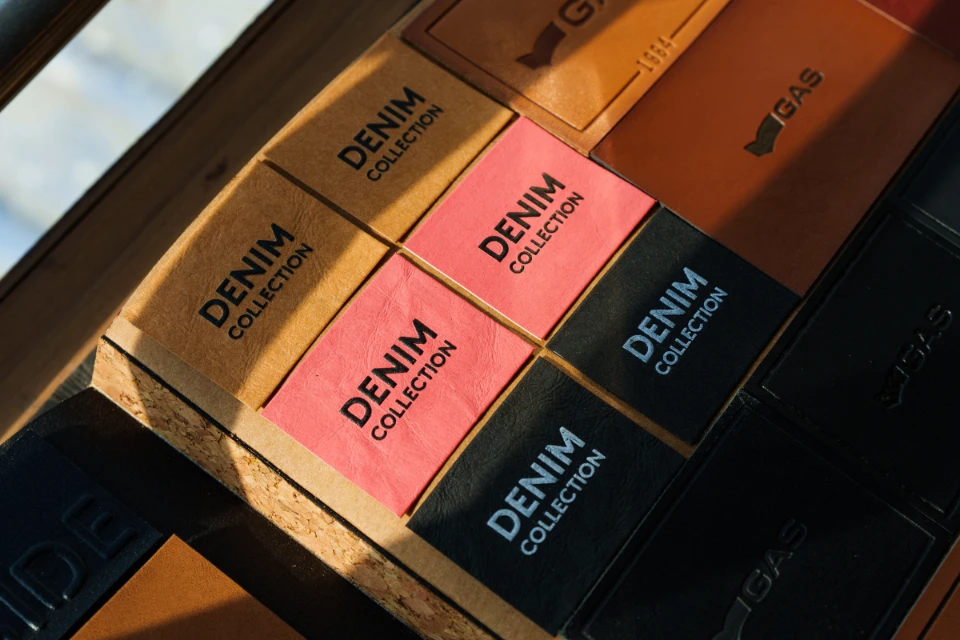
Labels play a crucial role in branding, product identification, and customer communication. Whether you run a retail store, manufacturing business, or eCommerce brand, choosing the right type of label can improve product visibility, compliance, and customer trust. In this guide, we’ll explore the most common types of labels and their uses.
1. Pressure-Sensitive Labels
Pressure-sensitive labels are the most widely used type in packaging and retail. They stick to surfaces with light pressure and do not require heat or water.
These labels are popular because they are:
- Easy to apply
- Cost-effective
- Available in different materials and finishes
They are commonly used in food, beverage, cosmetics, and FMCG industries.
2. Shrink Sleeve Labels
Shrink sleeve labels cover the entire product container, offering a 360-degree branding area. These labels shrink tightly around bottles or jars when heat is applied.
Benefits include:
- High visual appeal
- Full product coverage
- Tamper-evident protection
They are widely used in beverages, pharmaceuticals, and personal care products.
3. In-Mold Labels
In-mold labels are embedded directly into the product during manufacturing. The label becomes part of the container, making it durable and resistant to moisture and scratches.
They are ideal for:
- Plastic containers
- Food packaging
- Industrial products
This type provides a premium and long-lasting finish.
4. Thermal Labels
Thermal labels are commonly used in logistics and retail. They are printed using heat rather than ink, making them fast and economical.
There are two main types:
- Direct thermal labels
- Thermal transfer labels
They are used for barcodes, shipping labels, and receipts.
5. Security and Tamper-Evident Labels
These labels protect products from counterfeiting and unauthorized opening. They show visible signs if someone tries to remove or alter them.
Common applications include:
- Electronics
- Pharmaceuticals
- Luxury goods
They help build customer trust and ensure product authenticity.
6. Eco-Friendly Labels
With growing environmental awareness, many businesses are adopting sustainable labels. These are made from recycled, biodegradable, or compostable materials.
They support:
- Green branding
- Compliance with environmental regulations
- Positive brand image
Final Thoughts
Labels are more than just product identifiers—they are powerful tools for branding, safety, and compliance. Selecting the right type of label depends on your product, industry, and marketing goals. As technology and sustainability continue to shape the packaging industry, businesses must stay updated with modern labeling solutions to remain competitive.